Clay as a Living Material
Every potter begins with the simple belief that clay is just earth and water. Over time most of us learn better. Clay is alive in its own quiet way. It holds the memory of landscapes, the temperature of the seasons that formed it, and the long patience of geological time. When I first started working with teaware, I believed that shape and finish were the key to making a good pot. With experience I learned that the true character of a vessel begins long before I touch the wheel. It begins in the land where the clay was born.
I grew up near the Bohai Sea, where clay beds were natural parts of the shoreline. Later I trained in Tokoname in Japan where clay is treated with a nearly spiritual respect. Now I work in Toronto with a mix of local clay and blends inspired by Japanese tradition. Each type of clay has taught me something new about how minerals shape the soul of a teapot.
Why Minerals Matter
Many people think clay is all the same. If you hand two different clays to a potter, the truth reveals itself quickly. Clay changes based on the minerals it carries. Iron content, particle structure, and natural inclusions like sand or feldspar all affect the way a pot feels during forming and the way it behaves during firing. These differences also influence how a teapot performs when the leaves meet the water.
The minerals inside clay interact with heat during firing and then continue interacting with tea during brewing. That is why a pot from one region can produce a different aroma or softness of flavor than a pot from another. This is not a myth. It is chemistry that you can taste.
Iron and Flavor
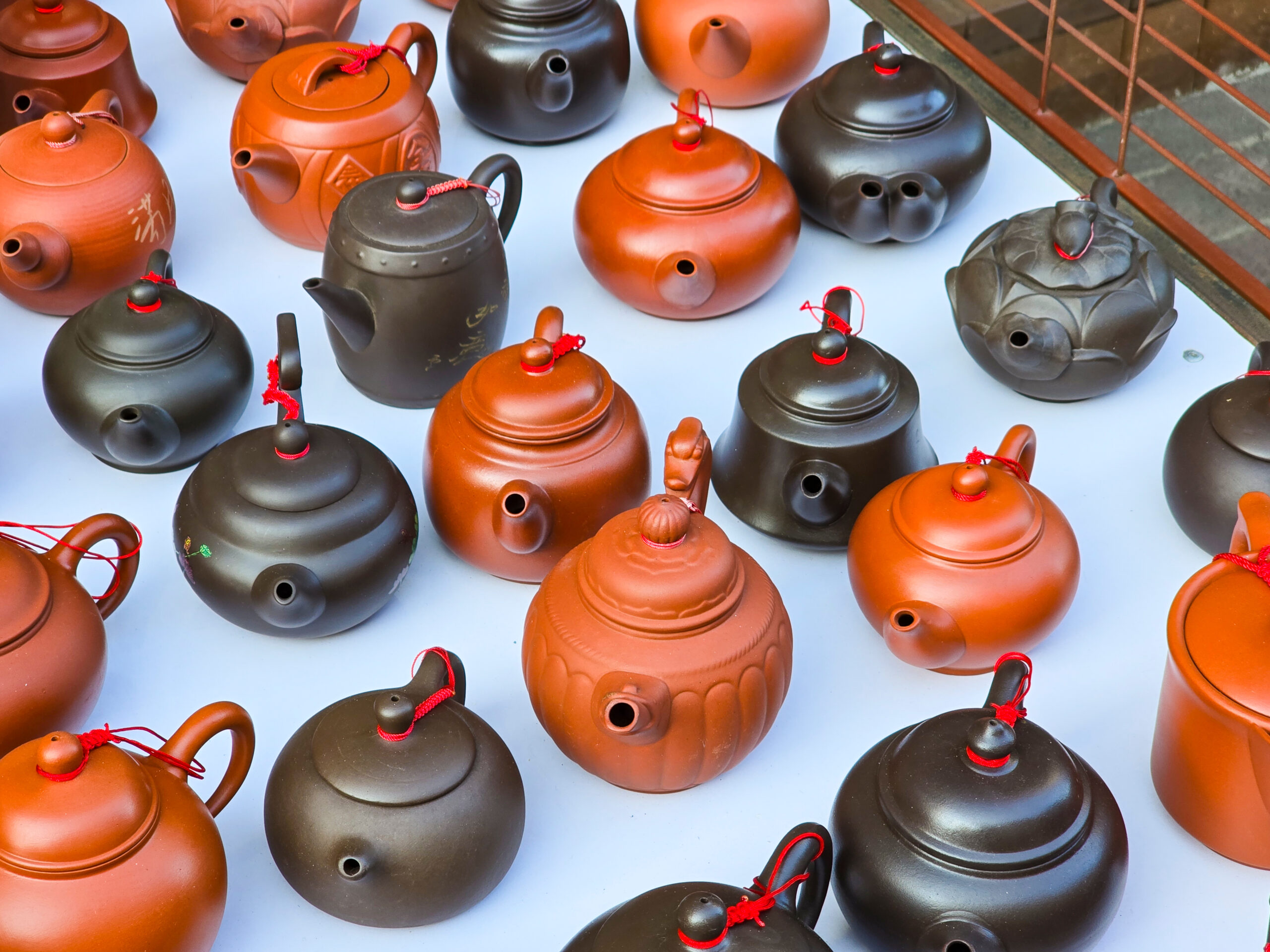
Tokoname clay is famous for its iron rich composition. When fired in reduction, the iron produces the warm red or brown tones that many people associate with Japanese teaware. More importantly for tea, iron helps soften the sharpness of certain brews. Green teas with high tannin content often taste smoother when brewed in Tokoname clay.
In Toronto I mix local clay with iron bearing materials when I want to echo that effect. I do not try to copy Tokoname clay exactly because copying soil is impossible. Instead I try to create a balance that honors both landscapes. In tasting sessions I often find that iron rich clay tempers bitterness and gives the tea a rounder body. When the iron is too high, however, the pot can become overly heavy or the flavor can feel muted. The art is in the balance.
Particle Structure and Texture
The size and arrangement of particles inside the clay affect its texture and strength. Fine particle clay allows very thin walls that feel elegant in the hand. Coarser clay with a bit of natural grit gives a pot a grounded and earthy texture. This texture is not only visual. It touches the brewing process as well.
A pot with finer particles tends to be more watertight and can hold heat a little longer. This is helpful for teas that need consistent temperature during brewing. A pot with coarser particles may cool slightly faster which can be beneficial for delicate teas that burn easily. In both cases the clay is shaping the behavior of water and heat.
Mineral Inclusions and Fire
Natural inclusions like feldspar, silica nodules, or coarse sand are tiny signatures left behind by the land. When the pot meets high temperatures these inclusions melt or fuse in unique ways. Sometimes they create small freckles or subtle flashing patterns. Other times they influence the sound and density of the finished pot.
I once made a series of kyusu teapots with clay from Ontario that contained small crystalline pieces. During firing these particles melted just enough to create faint glossy points inside the body of the pot. They were not visible unless you held the piece in bright light. Yet tea brewed in those pots seemed to carry a brighter aroma. Maybe it was the heat retention. Maybe it was the way the minerals interacted with the water. Potters cannot always explain these things perfectly although we feel them.
Heat, Water, and the Behavior of Clay
Every teapot is a meeting place for heat and water. Clay with dense particles holds heat longer. Clay with more open structure cools faster. Clay with higher silica content conducts heat differently than clay with higher alumina content. All of these factors play a role in brewing.
When I brew Japanese green tea, I often prefer a Tokoname style clay because it stays warm just long enough to open the leaves without scorching them. When I brew Taiwanese oolong, I might choose a clay body that cools slightly faster so the fragrance rises gently rather than explosively. The pot becomes a tool that guides the tea toward its best expression.
Working With Local Clay in Toronto
Using Toronto clay changes my work. The minerals here tell a different story than the ones in Tokoname. The color is different. The texture is different. The way it responds to flame and atmosphere is different. Instead of resisting those differences, I welcome them. They allow my work to grow from two landscapes at once.
Local clay reminds me that pottery is a partnership between the maker and the land. I can shape the clay but I cannot change its origin. My job is to listen to it and use its voice honestly.
The Soul of Teaware
A teapot’s beauty is not only in its shape or glaze. The real soul lies in the clay itself and in the minerals that have traveled through time to sit at your table. When you drink from a handmade teapot you are tasting not just tea but also the land that formed the vessel. Clay is alive. It carries history. When we respect that history the tea reveals its true self.
If you would like I can also write a series of follow up posts on selecting clay, evaluating teaware, or sourcing local materials.